Clinical expertise- organised by area
The work spans several connected areas of orthopaedic practice, each with its own decision-making, each with its own evidence, each shaped by the same underlying question: what is the right next step for this joint, at this stage, for this person?
Reviewed and authored by Professor Lee. See credentials and independent verification.

Specialist work, organised the way a patient might experience it
Each area below has its own decision framework, its own treatments, and its own boundary: where Professor Lee would step in, and where he would actively recommend against intervention. Choose where the question begins.
01
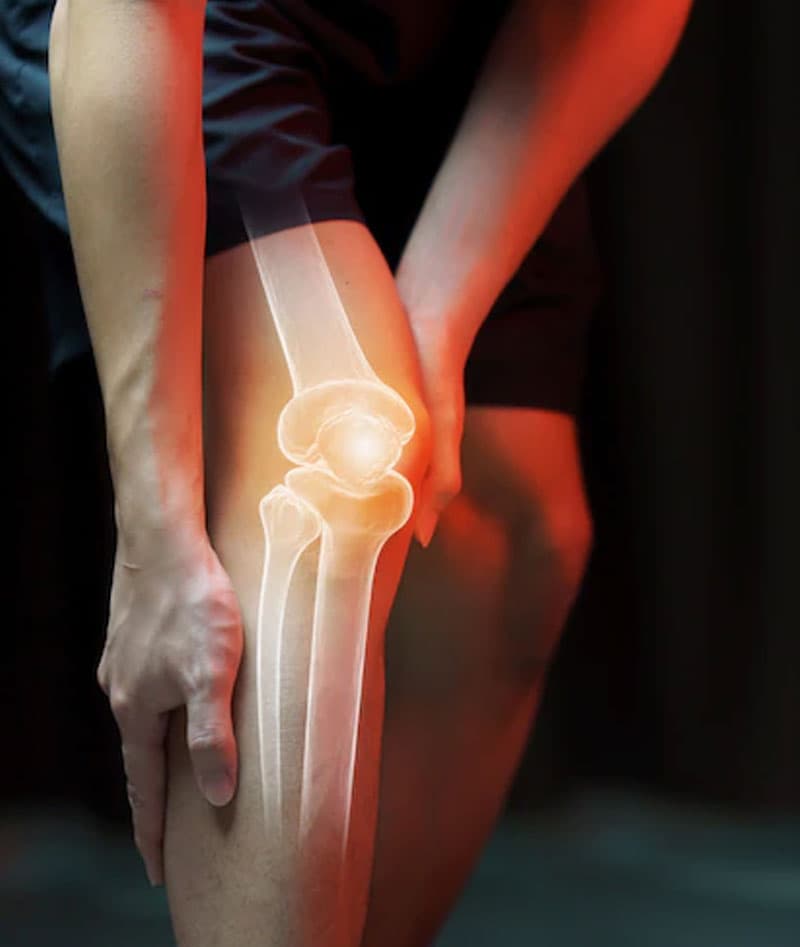
Cartilage and joint preservation
Not every arthritic joint needs to be replaced, and not yet.
Specialist assessment of arthritic joints that may still be preserved, protected or biologically supported before replacement becomes the default. Anchored in the ICRS Accredited Teaching Centre of Excellence in cartilage and joint preservation surgery.
Explore this area
02
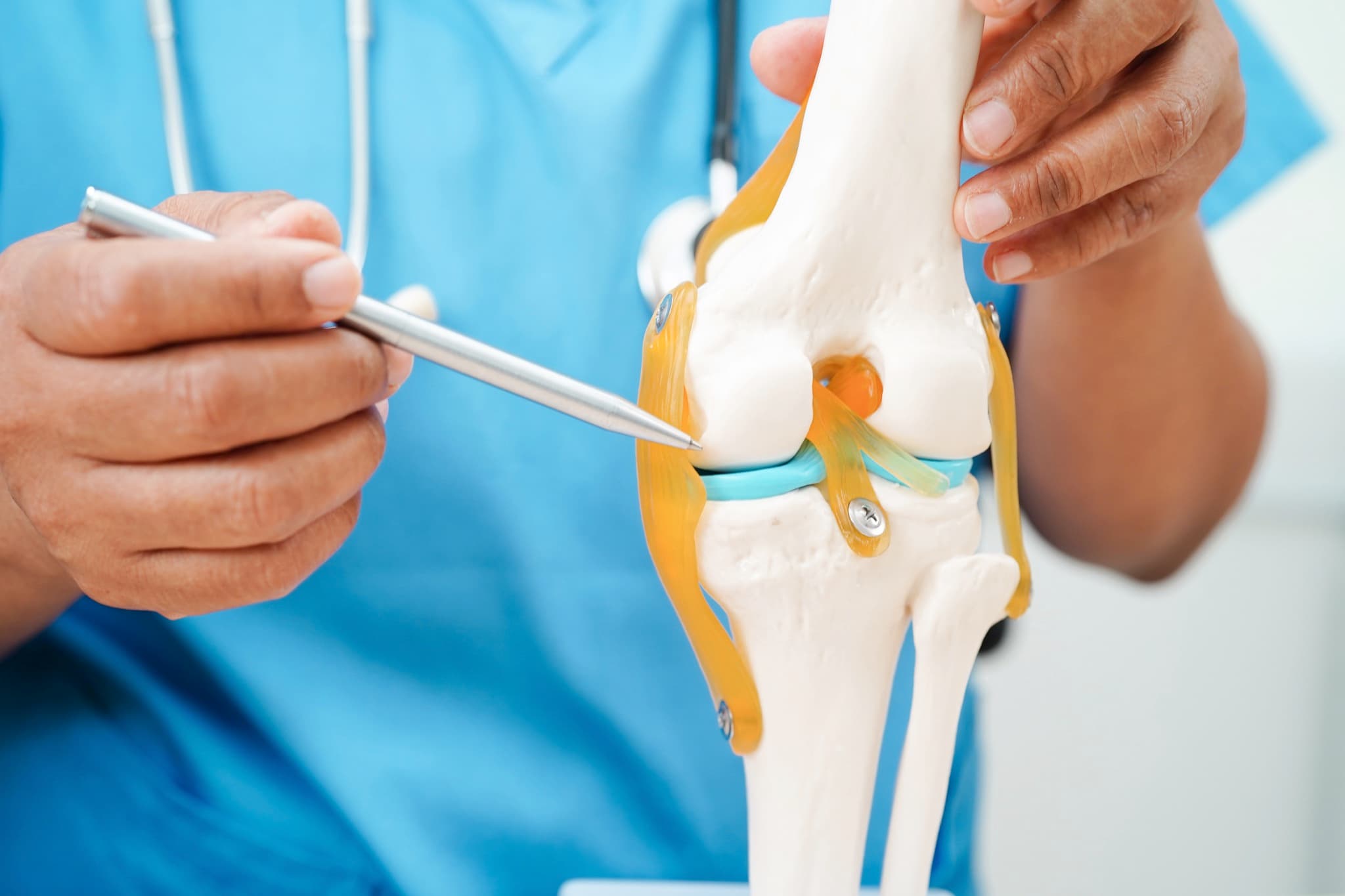
ChondroFiller and cartilage regeneration
Cartilage is not just another tissue.
ChondroFiller (CFI / CFI+ / CFI++), single-stage autologous cartilage implantation (STACi), osteochondral allograft transplantation and preservation strategies for focal full-thickness cartilage defects.
Explore this area
03
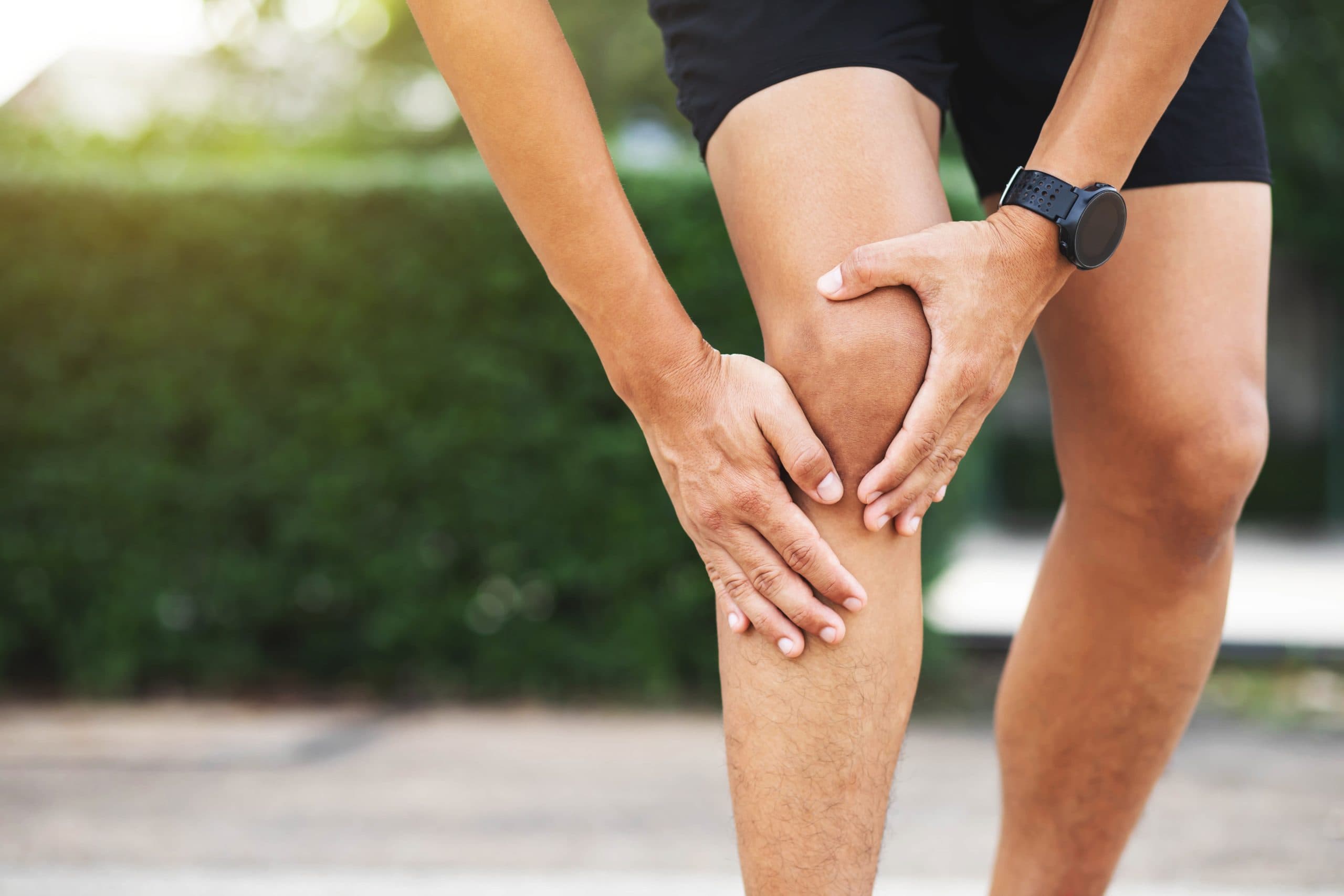
ACL and sports knee injuries
Ligament preservation, not only ligament reconstruction.
STARR augmented ACL repair, BEAR-style repair, ACL reconstruction, MPFL surgery and a sports-medicine perspective on returning athletic patients to function.
Explore this area

04
Meniscus preservation
The meniscus matters more than people are told.
Specialist decision-making around meniscus injury, root tears, augmented meniscus repair and combined cartilage damage, with the long-term joint in mind, not just the symptom.
Explore this area
05
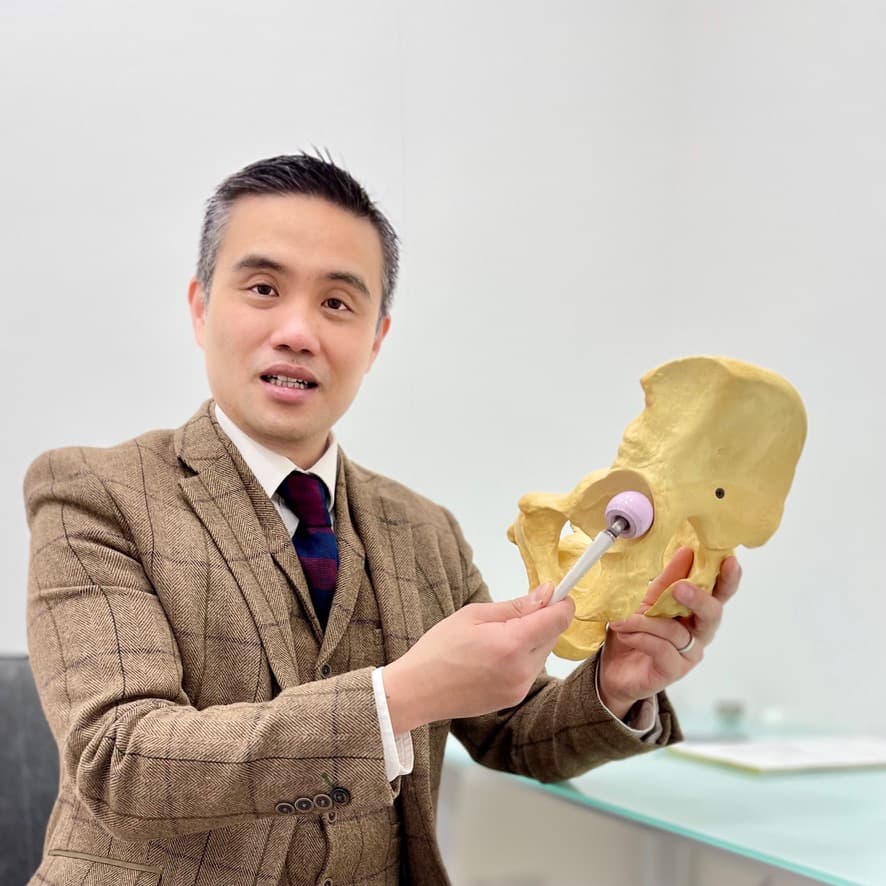
Hip preservation and SPAIRE
When replacement is right, do it well.
Hip preservation first. When replacement is the right answer, SPAIRE (Spare Piriformis And Internus, Repair Externus) and the Bikini-incision anterior approach preserve the soft tissue around the joint for faster recovery and fewer post-operative restrictions.
Explore this area
06
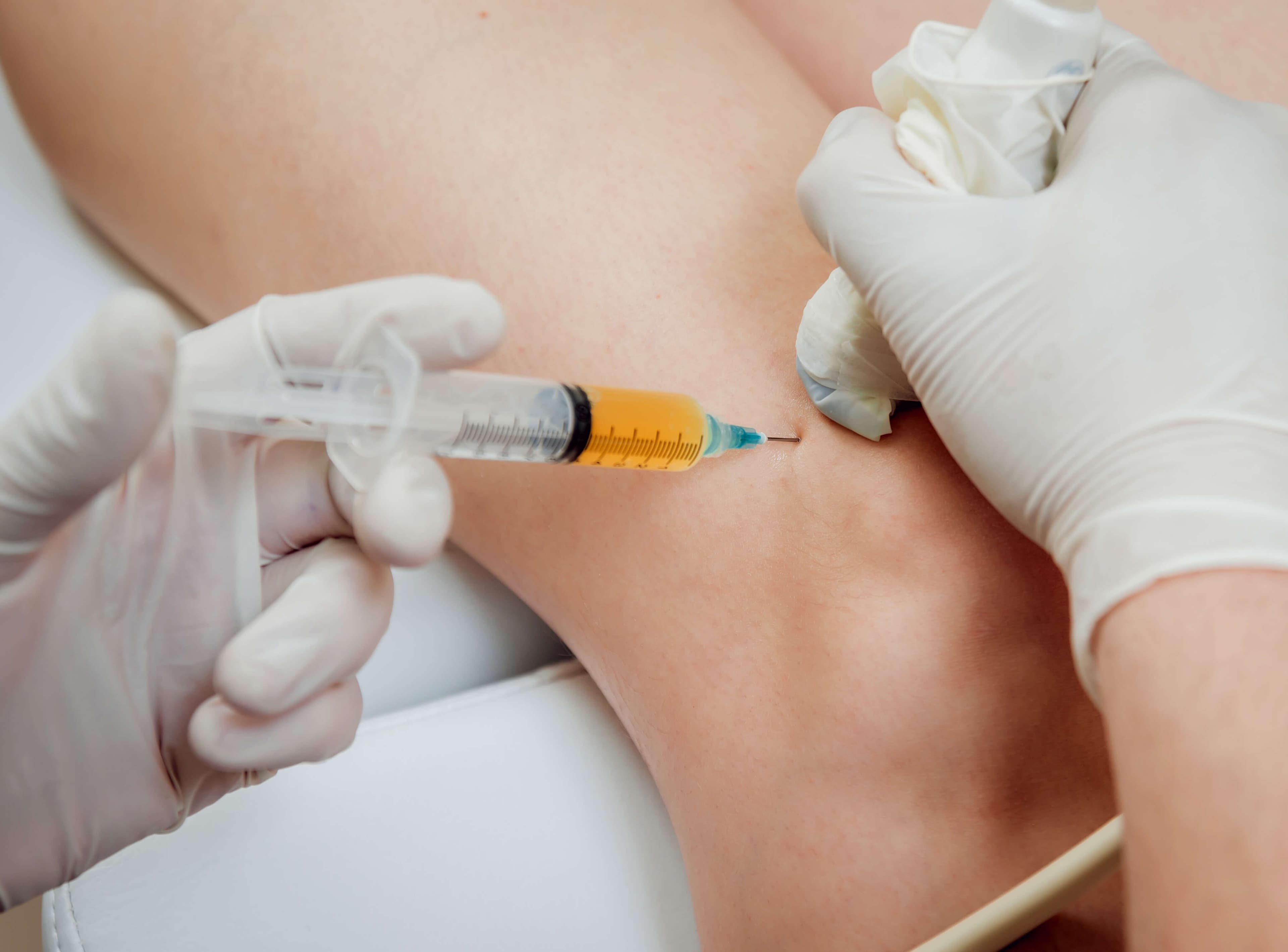
Joint injections and orthobiologics
Used precisely, not as a marketing category.
Arthrosamid (polyacrylamide hydrogel), PRP, PRF, microfragmented adipose tissue, hyaluronic acid and diagnostic image-guided injections inside a wider preservation strategy.
Explore this area
07
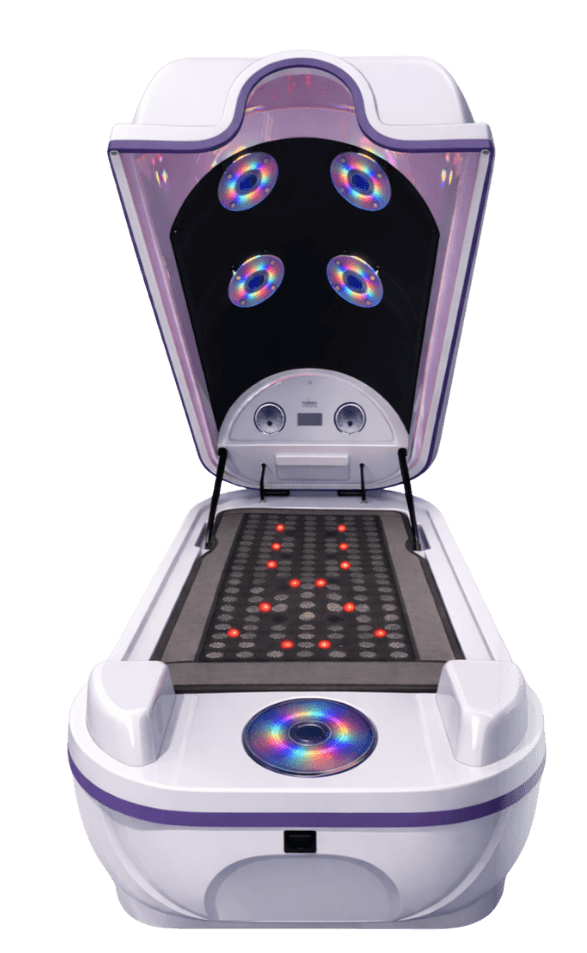
Recovery and rehabilitation optimisation
Recovery is part of the operation, not after it.
Prehabilitation, structured progression, sleep, strength and Regen PhD systems thinking, designed to make whatever treatment you have, work better.
Explore this area
08
Hip and knee replacement
When the joint cannot be saved, the operation still matters.
Hip arthroplasty, knee arthroplasty, kinematic alignment, TWIS-TKR knee replacement, partial vs total joint replacement, and decision-making for the operation that is right for this patient.
Explore this area
09
Complex second opinions
For the cases where the standard pathway is not the whole answer.
Second-opinion assessment for patients told they need a replacement and want to understand whether anything else is possible. International patients welcome.
Explore this area
What connects all of this work
Can your joint still be saved before replacement?
That is the thread that runs through Professor Lee's clinical work. Not every patient is the same. Not every joint is the same. And not every pathway should be approached as though they are.
The areas above are not a menu, they are a way of organising the same underlying question, on the terms that actually matter for the person sitting in the room.
That is where good decisions begin.
Clinical expertise is not only about what can be done
It is about knowing what should and should not be done, and when
The important thing is not simply doing more. It is making sure the decision is the right one.
Clinical Network & Compliance